






I love the Internet. What a great time to pursue our family history when we can easily explore, find, and study documents from around the world from the comfort of our homes. Lucky us. Unlike previous generations who may have been limited in what they could find due to travel restrictions, time, or even money, we have the opportunity to view digitized records that can shed light on all aspects of our ancestor's lives.
The following digital collections are some of my favorites but not because my foremothers are prominently mentioned. Just the opposite. They are my favorites because they allow me to learn more about their time period, what they may have experienced, and provide me a better understanding of researching her life. Take some time to peruse the following websites and they might become some of your favorites as well.
Women Working, 1800-1930 from Harvard Library
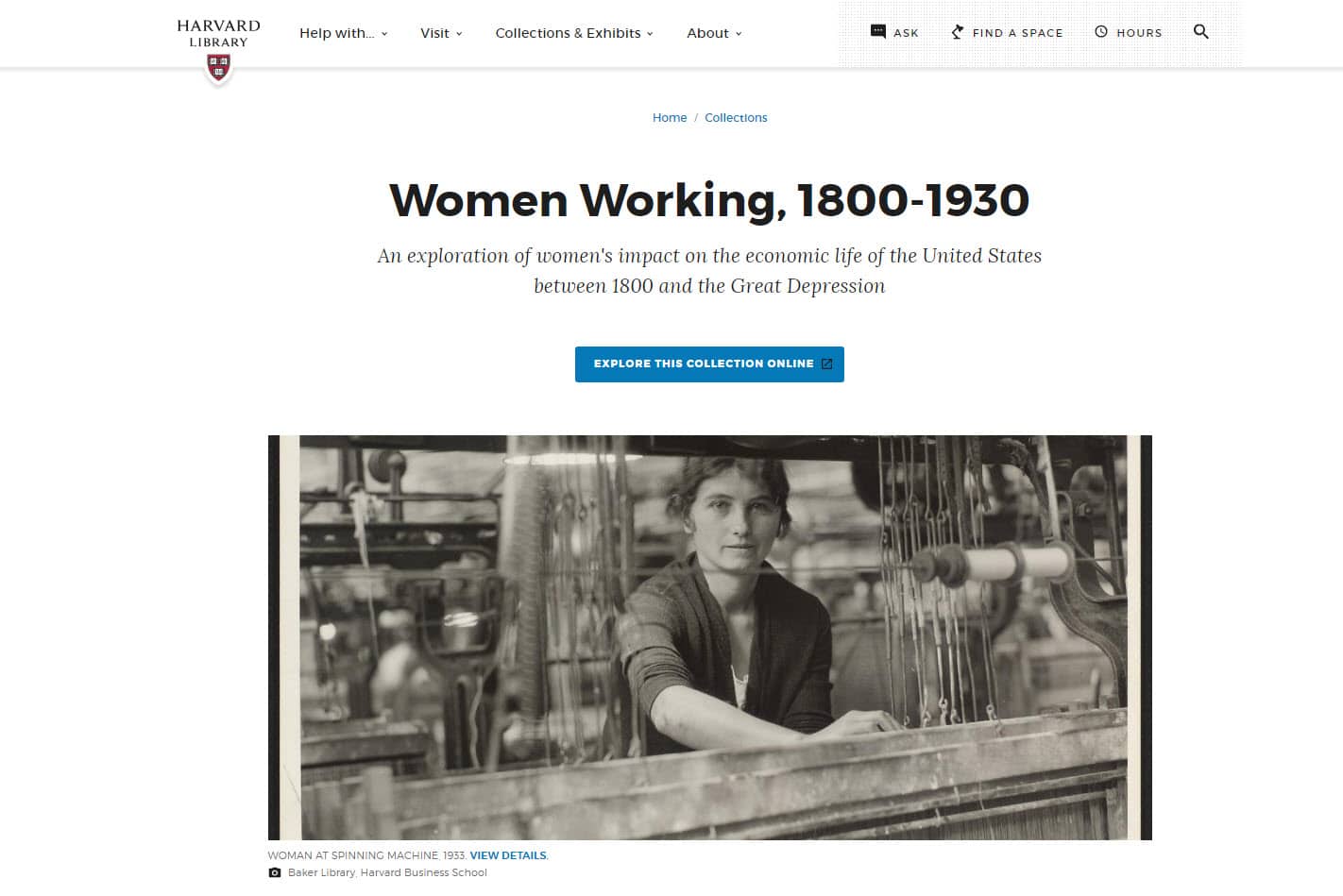
Though it's a relatively recent field of study, women's history is inscribed across all of the Harvard Library holdings gathered since 1638. I love that first sentence of this collection's introduction. Women’s stories are everywhere and this collection proves that historically women weren’t just housewives. The online collection includes “over 650,000 individual pages from more than 3,100 books and trade catalogs, 900 archives and manuscript items, and 1,400 photographs.”
Click on the homepage's "Explore this Collection Online" button and you have the option to search or browse images that include magazines, pamphlets, and other materials. Limiting your Search by Creator/Contributors can help you to browse the collection. There’s so much to love here, one of my favorite collections has to do with Lydia Pinkham but I also love perusing the many books and magazines that give perspective on working women’s lives.
Women’s History from the Library of Congress
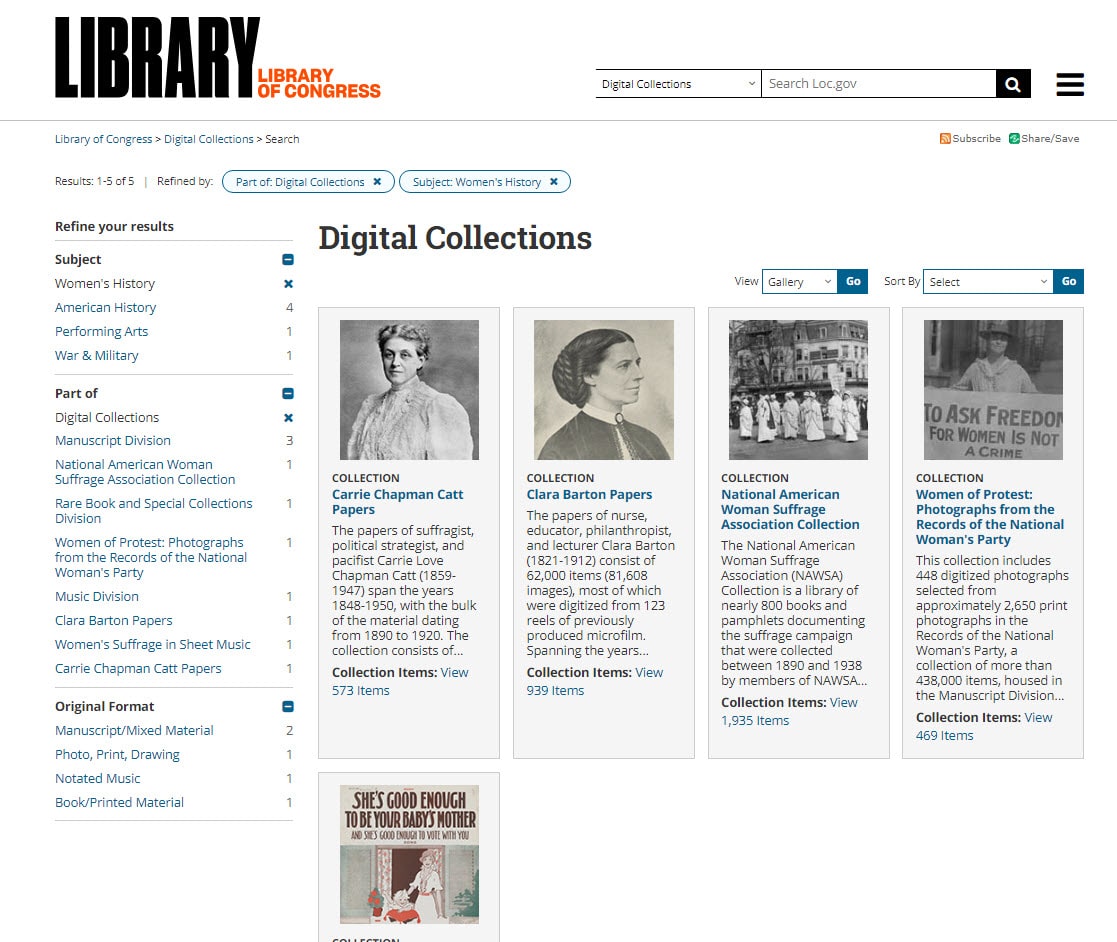
2020 marks the anniversary of American women receiving the vote which seems like a good time to learn more about the fight for suffrage (Did you know that women in some states had the vote decades before the 19th amendment but not all women had the right to vote once the amendment passed?). Library of Congress has quite a few historical suffrage collections that will help you better understand that fight.
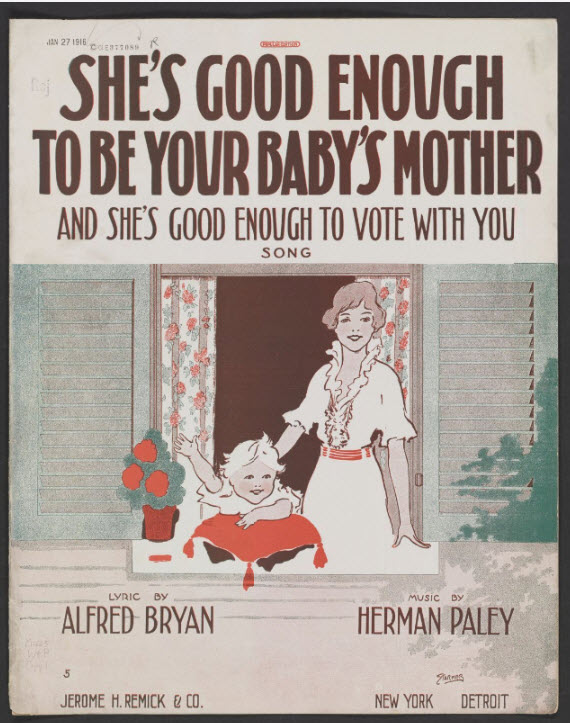
Social history involves learning about our ancestor’s everyday life and one way to do that is through music. The Library of Congress had a suffrage music collection that can help you understand what was going on during the early 20th century. “She’s Good Enough To Be Your Baby’s Mother, She’s Good Enough To Vote With You” is one such song that provides some interesting insight to this era.
Duke University Libraries Digital Collections
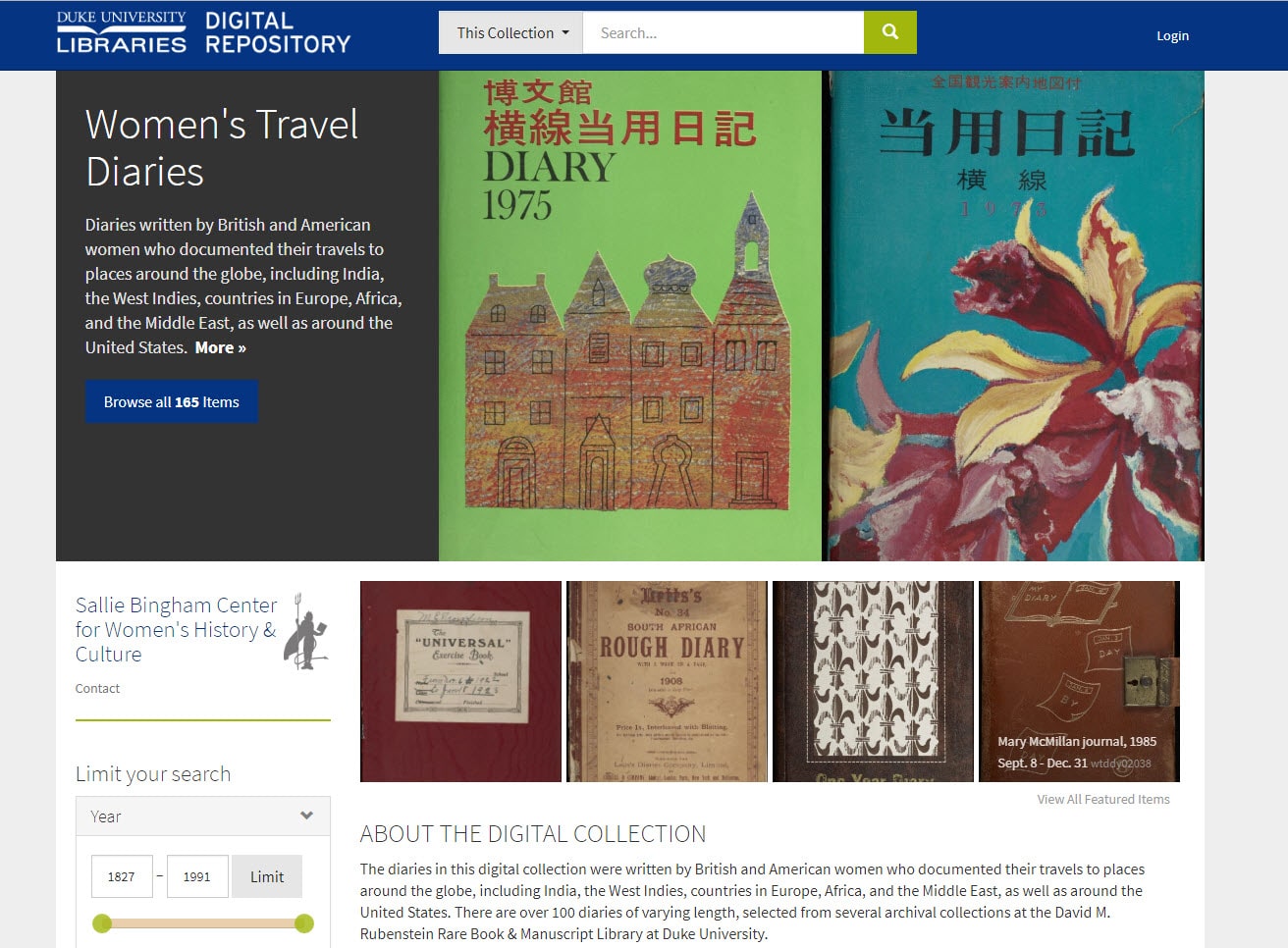
There’s a lot to like about the Duke University Libraries Digital Collections but for this post I want to focus on their Women’s Travel Diaries. Why is this important? Did your ancestor migrate, take a trip, or live somewhere you don’t? These diaries can shed some life on that time and location. “The diaries in this digital collection were written by British and American women who documented their travels to places around the globe, including India, the West Indies, countries in Europe, Africa, and the Middle East, as well as around the United States. There are over 100 diaries of varying length.” You can browse or search for items of interest. I personally love reading period diaries that help me better understand what life was like for a previous generation.
Virtual Archives, Resource Guides and Databases from Nova Scotia Archives
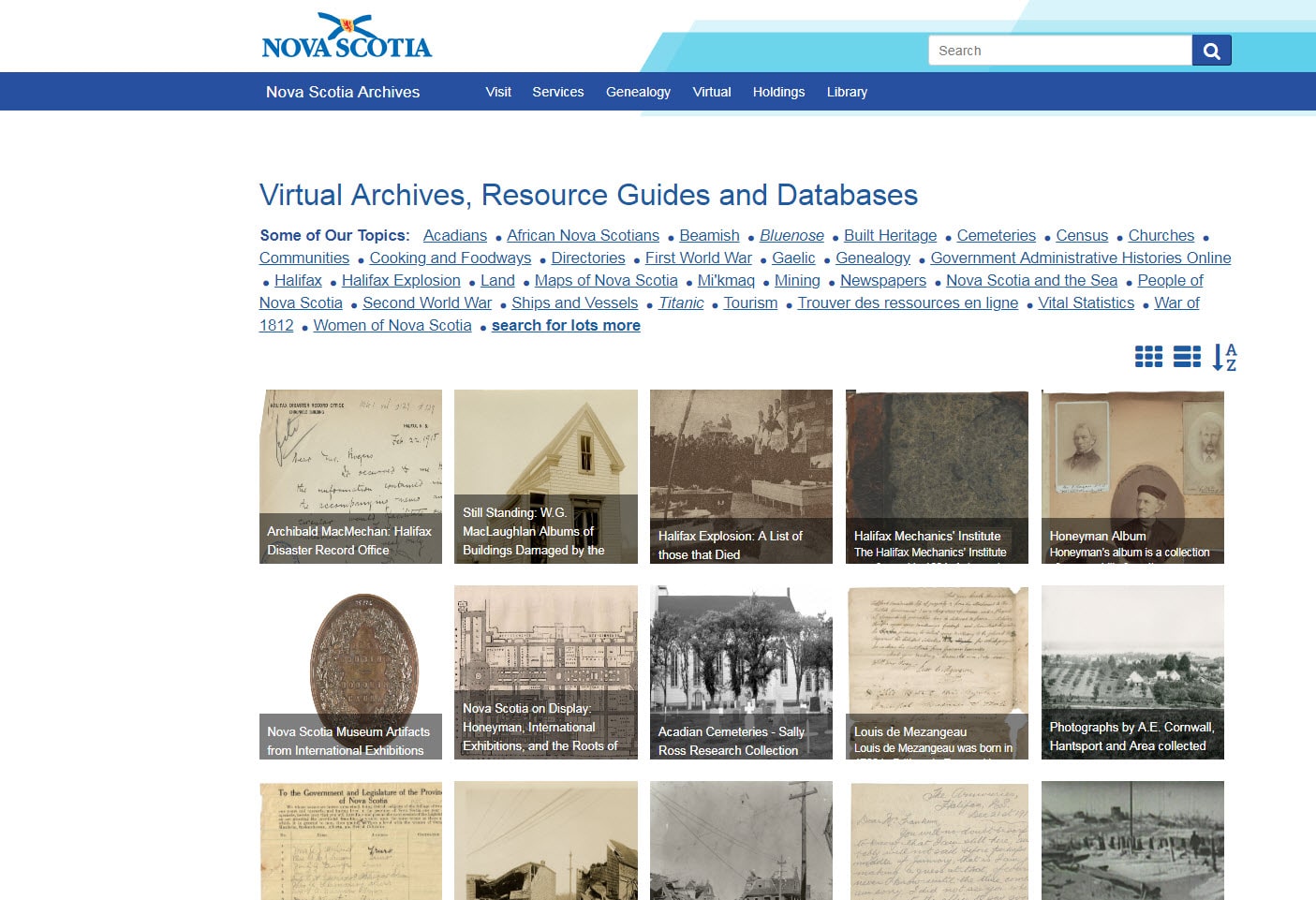
This digital collection is fantastic for all that it offers genealogists with Nova Scotia roots. Not you? That’s okay, check it out and then consider what an archive where your ancestor lived may have and then look for it! This one has digitized documents focusing on suffrage, women of Digby county, as well as a recipe collection, and Court for Divorce and Matrimonial Case Files 1759-1960.
I realize that most people reading this don’t have Nova Scotia ancestors but it’s a great example of what archives are adding to their websites and a reminder that we should look for archives in the region we are researching.
Feeding America from Michigan State University
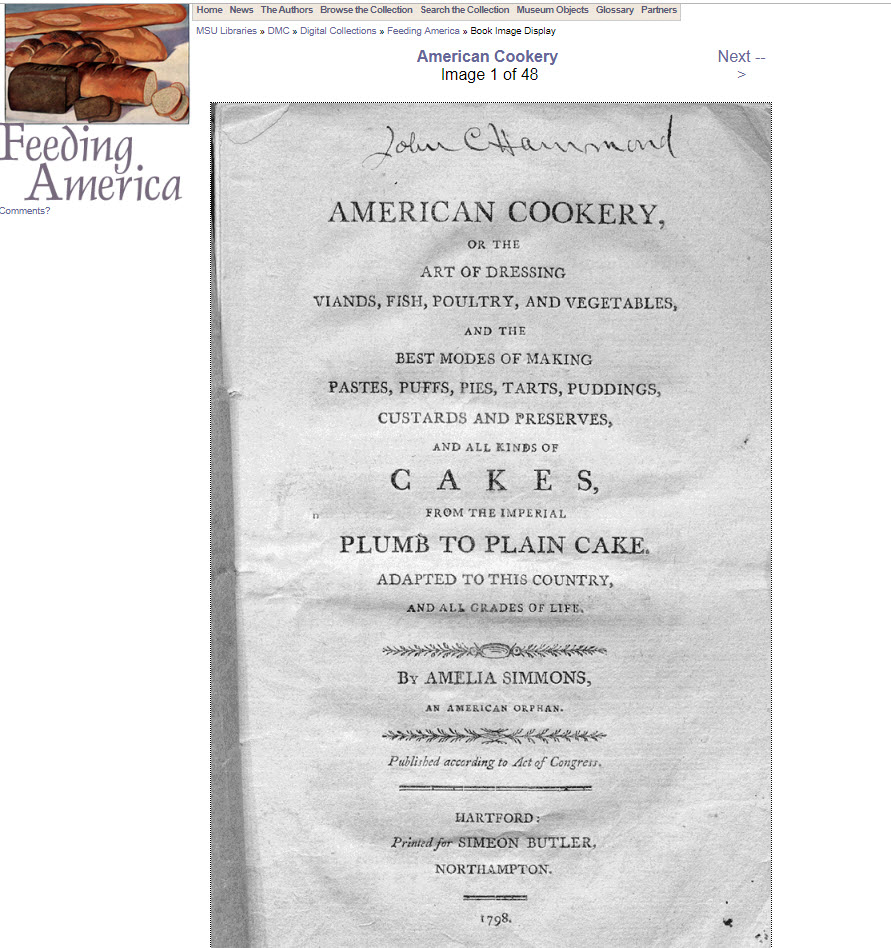
Of course you knew there was no way we would get through a list without my mentioning one cookbook website?! And I love this one because it includes the first cookbook written by an American woman (Amelia Simmons) which sheds important light on what your early American ancestor was eating and what foods they had access to. (Be sure to read what she has to say about peacocks.) Seek out cookbooks in this collection for ideas about what foods and recipes your female ancestors would have been familiar with.
So those are some of my favorites. Try them and let me know what you find. I’d also love to hear about digital collections featuring resources on female ancestors that you have found.
Happy Women’s History Month!
Gena Philibert-Ortega is an author, instructor, and researcher. She blogs at Gena's Genealogy and Food.Family.Ephemera. You can find her presentations on the Legacy Family Tree Webinars website.


Comments (0)